
The EXTRACT project comes at a time when European cities are facing increasingly complex challenges in crisis management. For our partner Dr. Enrico Gavagnin, Councillor of the Metropolitan City of Venice, the initiative provides a valuable opportunity to test innovative solutions in a uniquely intricate urban environment.
As he explains, “Venice, with its unique urban structure and the growing pressure of overtourism, represents a natural laboratory for testing innovative solutions.” Taking part as an end-user has allowed him to see firsthand how advanced technologies, real-time data, and decision-support tools can strengthen urban resilience and improve emergency response in the city.
A Complex Challenge: Managing Crises in a Fragile and Crowded City
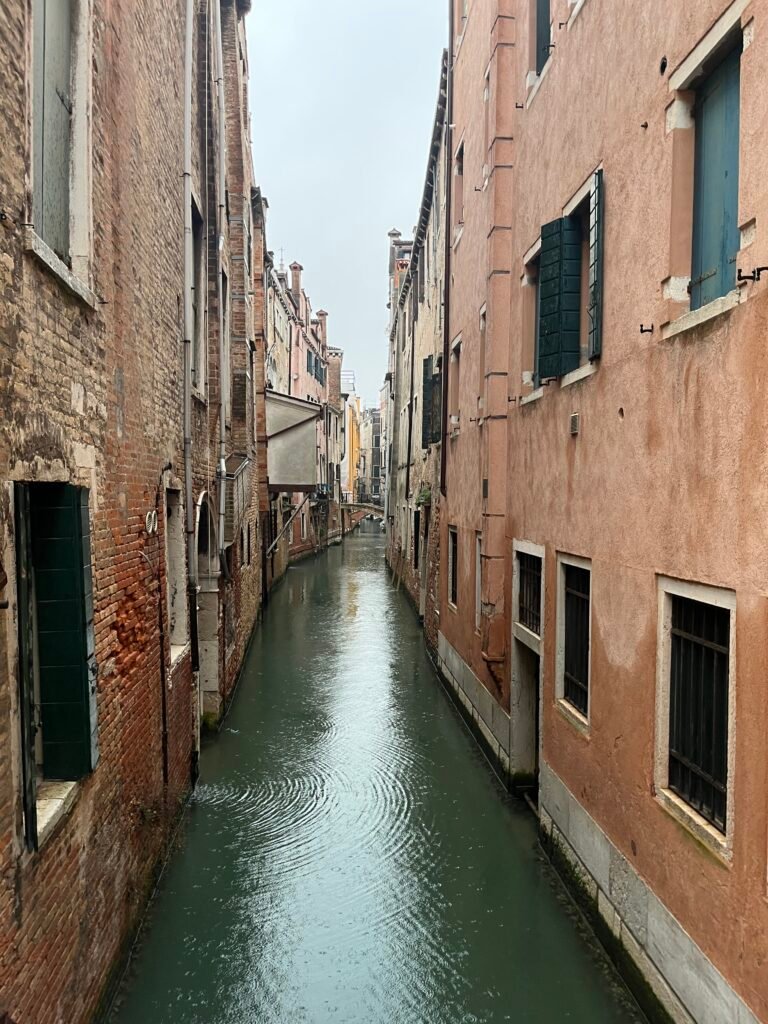
The Personalised Evacuation Route use case focused on Venice, a city defined by:
- Intricate urban morphology: narrow calli, bridges, and non-linear pathways
- Distributed social fabric: residents divided between the historic centre and the mainland
- Overtourism pressures: over 100,000 daily visitors during peak periods
“Managing emergencies—from exceptional tides to accidents or localised evacuations—requires tools capable of adapting to a city that cannot be treated like a conventional urban environment,” he adds.
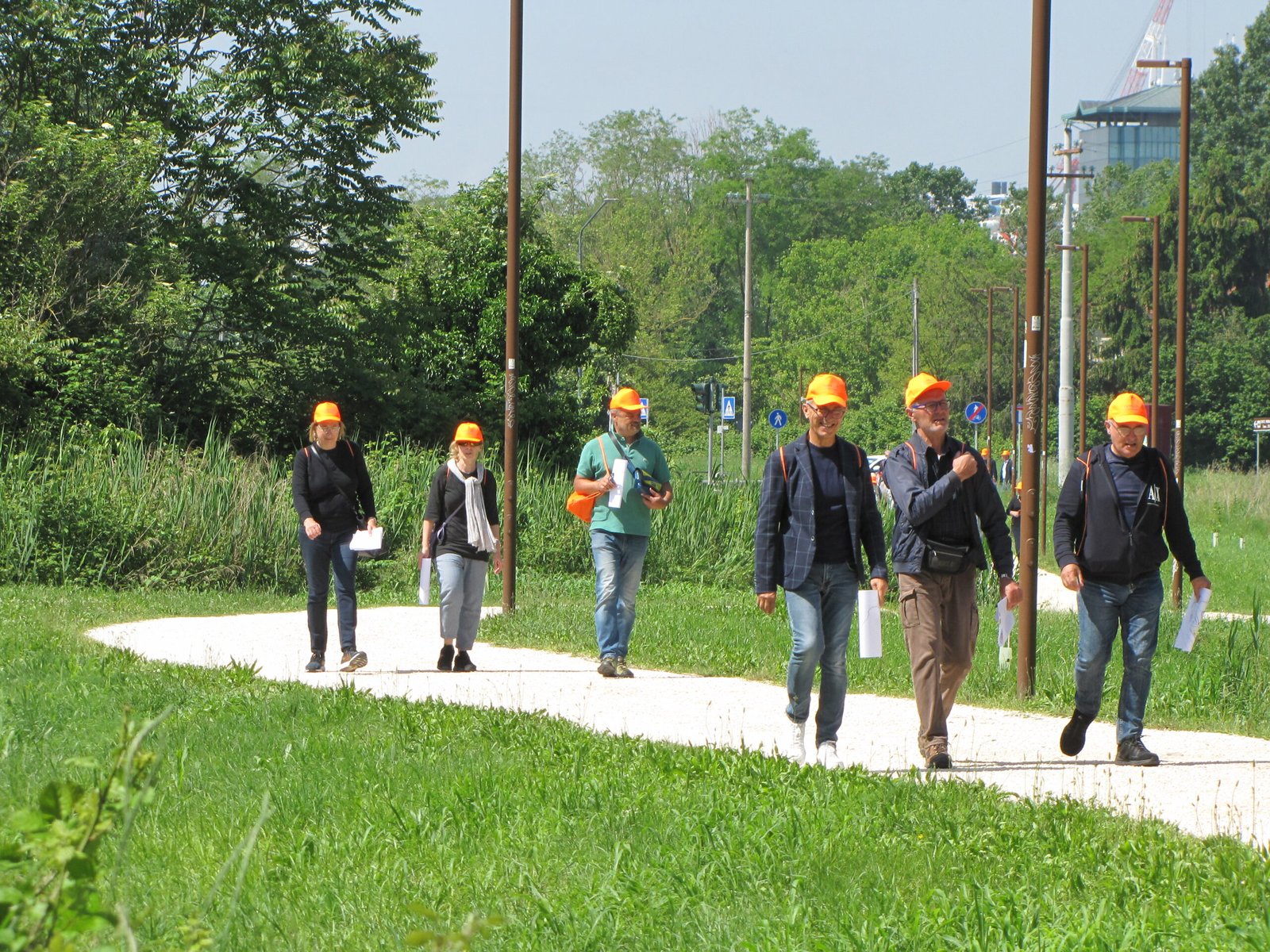
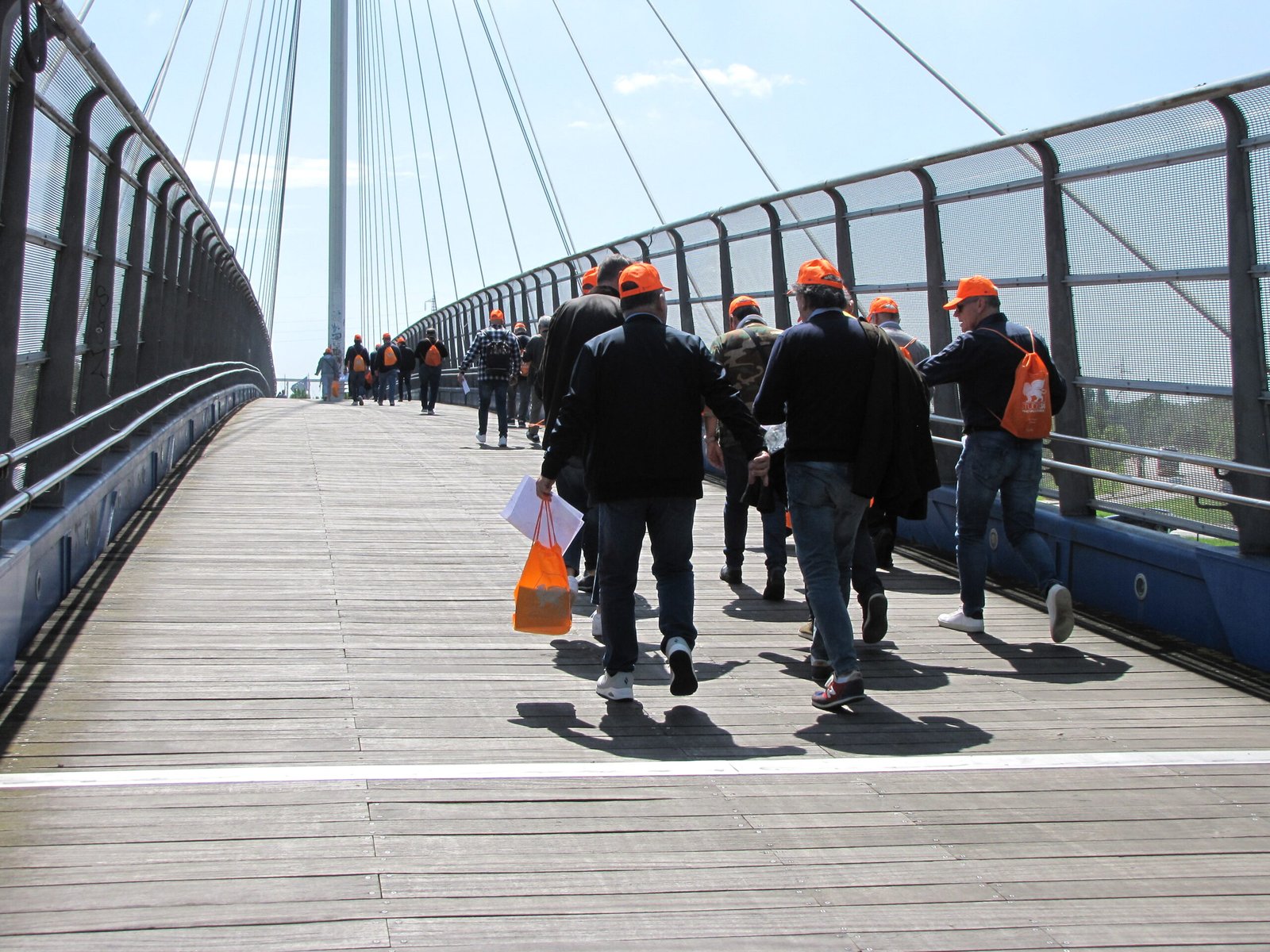
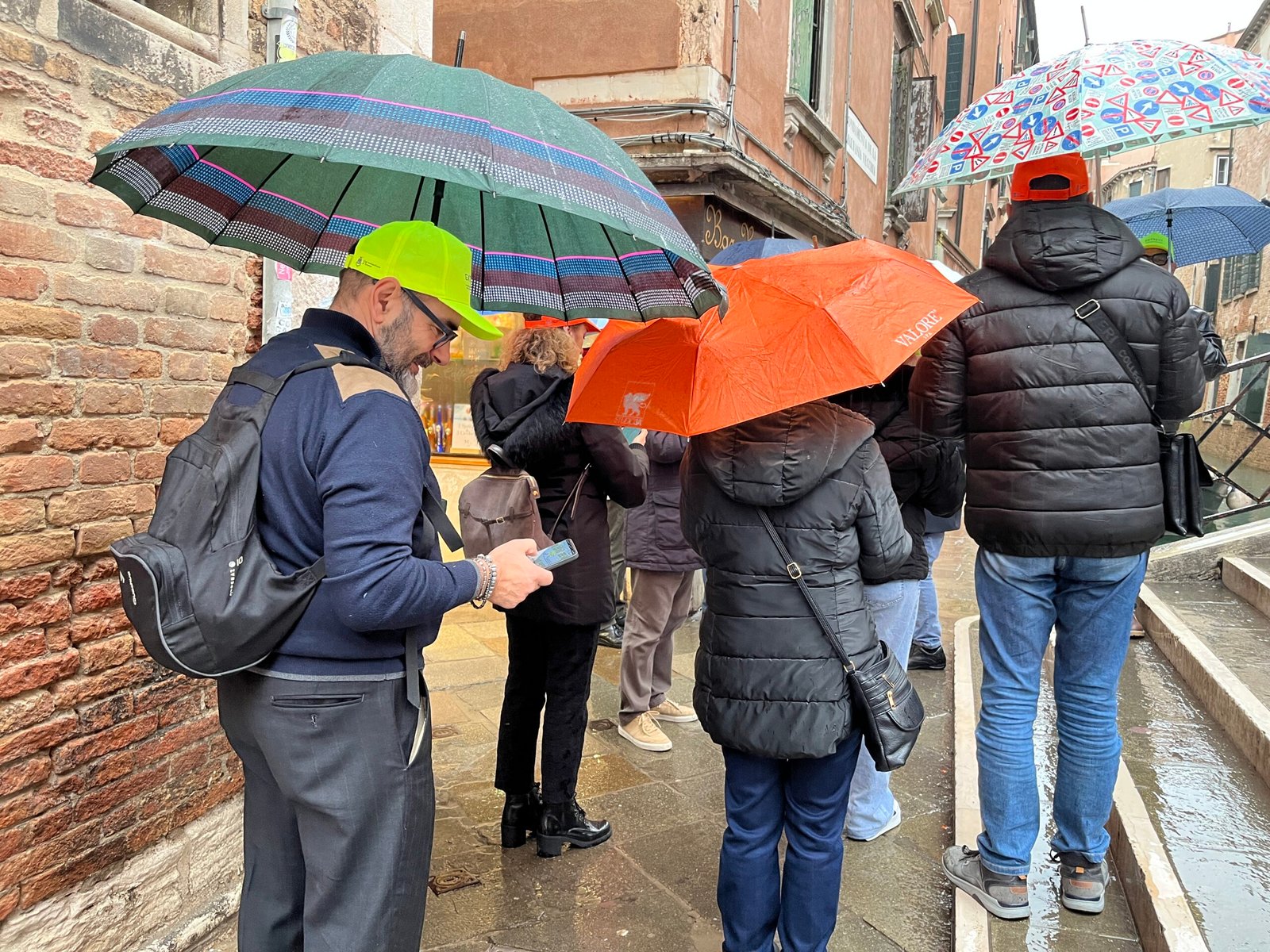
Figure 1: Retired civil protection volunteers participate in an engagement activity to monitor crowd movement and management and to raise awareness of the EXTRACT project.
Engaging the Community: 100 Former Law Enforcement Officers
One of the most significant elements of the Venetian Use Case was the direct involvement of the local community. Dr. Enrico Gavagnin coordinated the participation of 100 former law enforcement officers residing in the Metropolitan City of Venice. These participants brought operational experience, deep knowledge of the territory, and a strong awareness of public safety issues. Their contribution was essential for:
- Testing the solutions in realistic scenarios
- Providing feedback on effectiveness
- Ensuring that technology complements human expertise
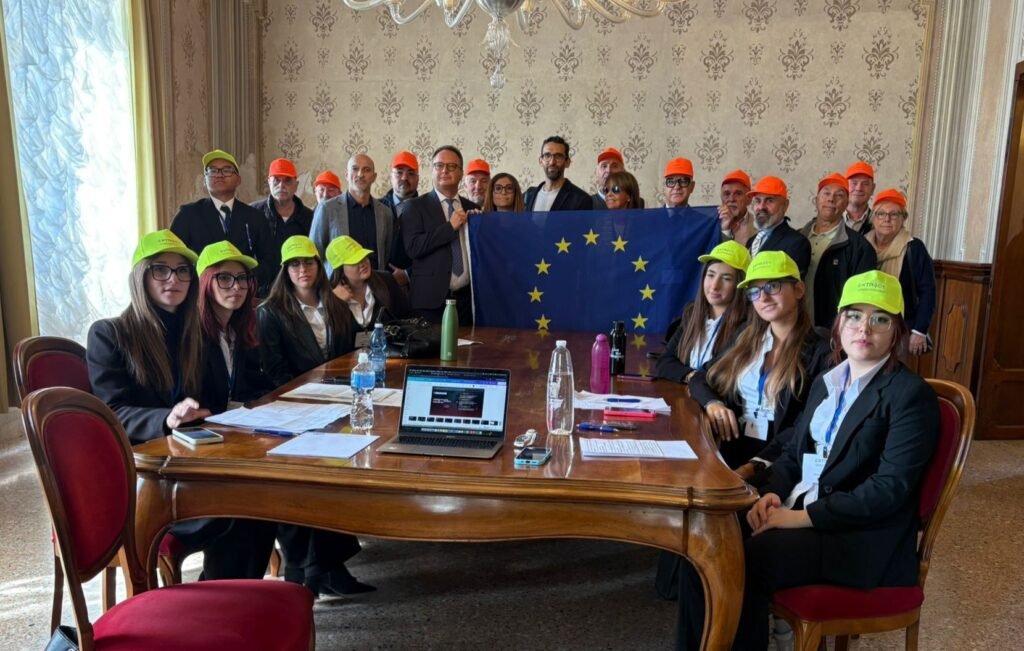
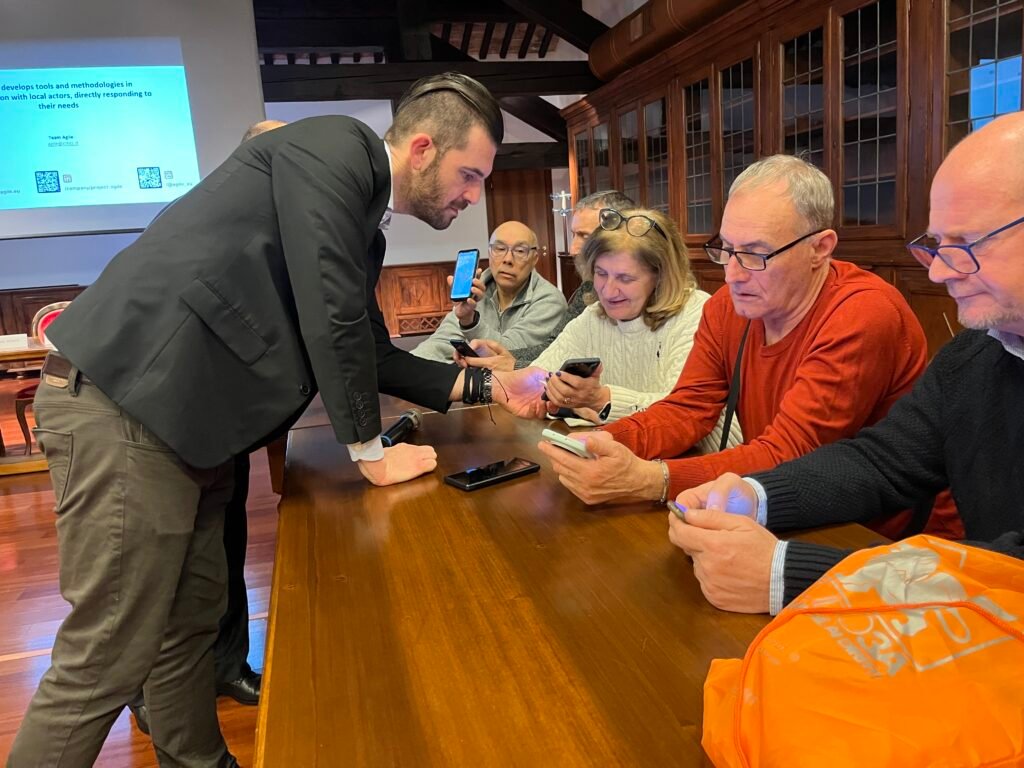
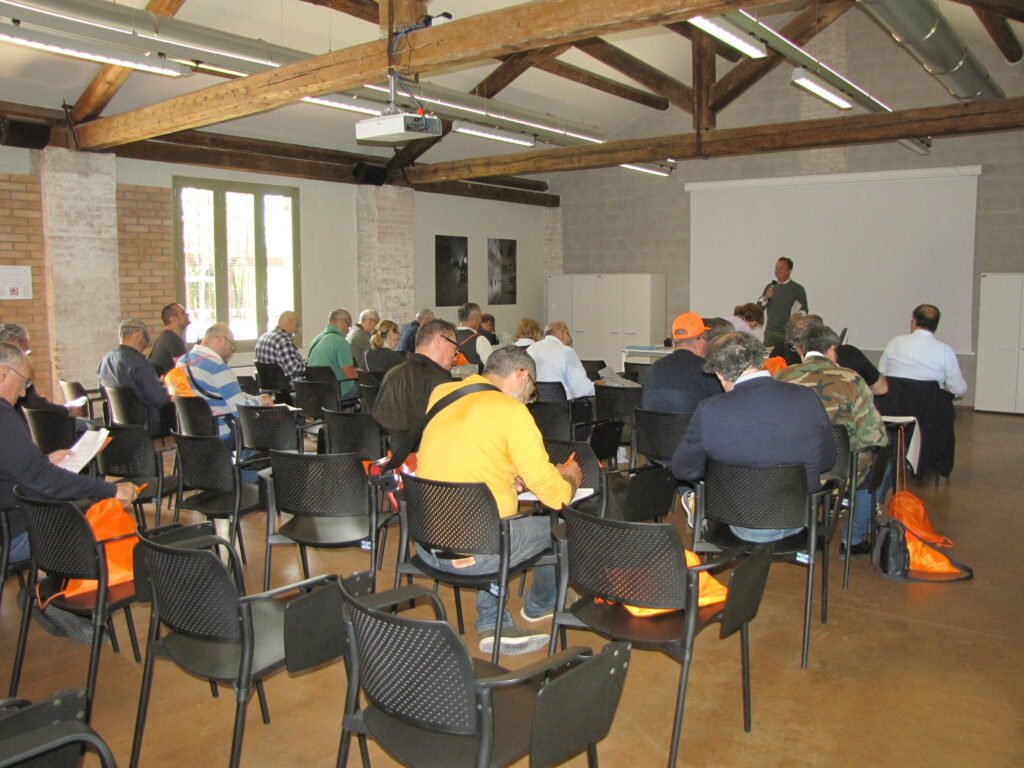
Figure 2: Project partners explain and test the PER app with retired civil protection volunteers as part of the second PER validation on 04 February 2026.
Testing Innovative Technology: The Personalized Evacuation Route App
The Personalized Evacuation Route App developed within the framework of the project offered a glimpse into the power of technology for offering crisis management solutions and actionable insights. Dr. Gavagnin notes that the application generates personalized evacuation routes based on the user’s location, surrounding conditions, and the type of emergency, which could offer real support in a city like Venice where mobility is hampered by narrow streets, bridges, and the absence of vehicular roads.
During validation events, participants tested the app in realistic scenarios. “The feedback confirmed the potential of the tool,” Dr. Gavagnin adds, emphasizing that some refinements are needed to better navigate Venice’s unique features, such as high tides, narrow alleys, and bridges.
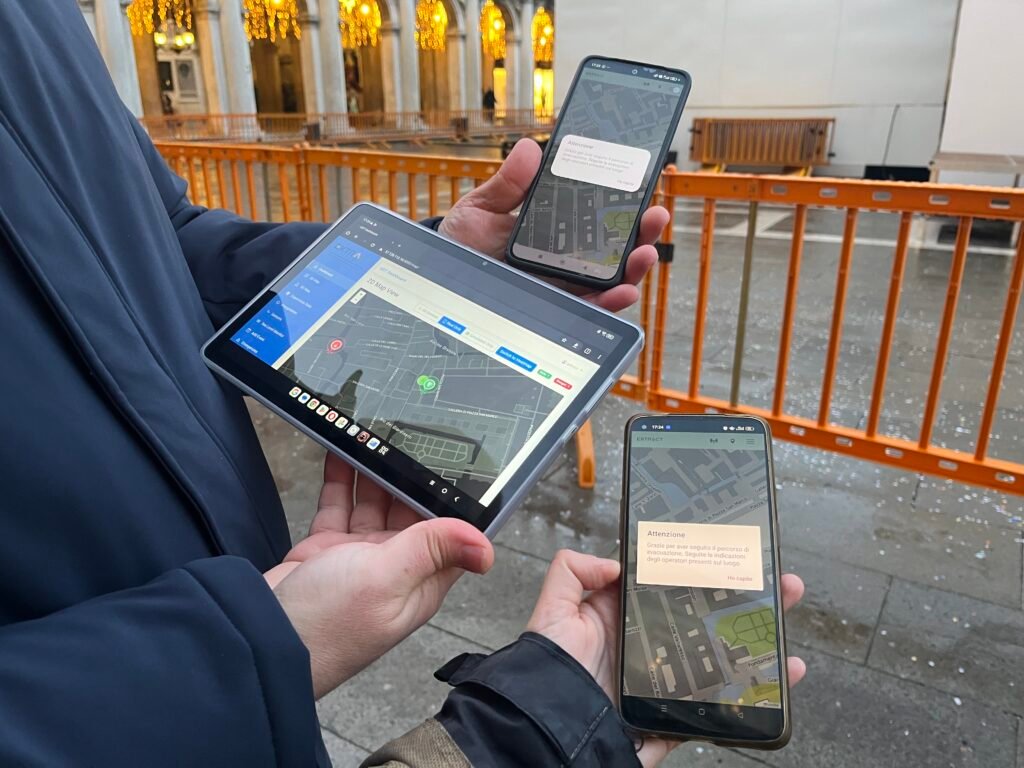
Figure 3: EXTRACT partners test the app and the dashboard in the pre-validation on 03 February 2026.
A Learning Journey: Evolving Approaches to Crisis Management
Dr. Gavagnin has been thankful for the experience gained through the EXTRACT project, explaining that integrating data, simulations, and digital tools can support faster and more informed decision-making.
At the same time, the project benefited immensely from the involvement of the local community and operators with field experience, since no technology can replace territorial knowledge and the ability to interpret complex situations.
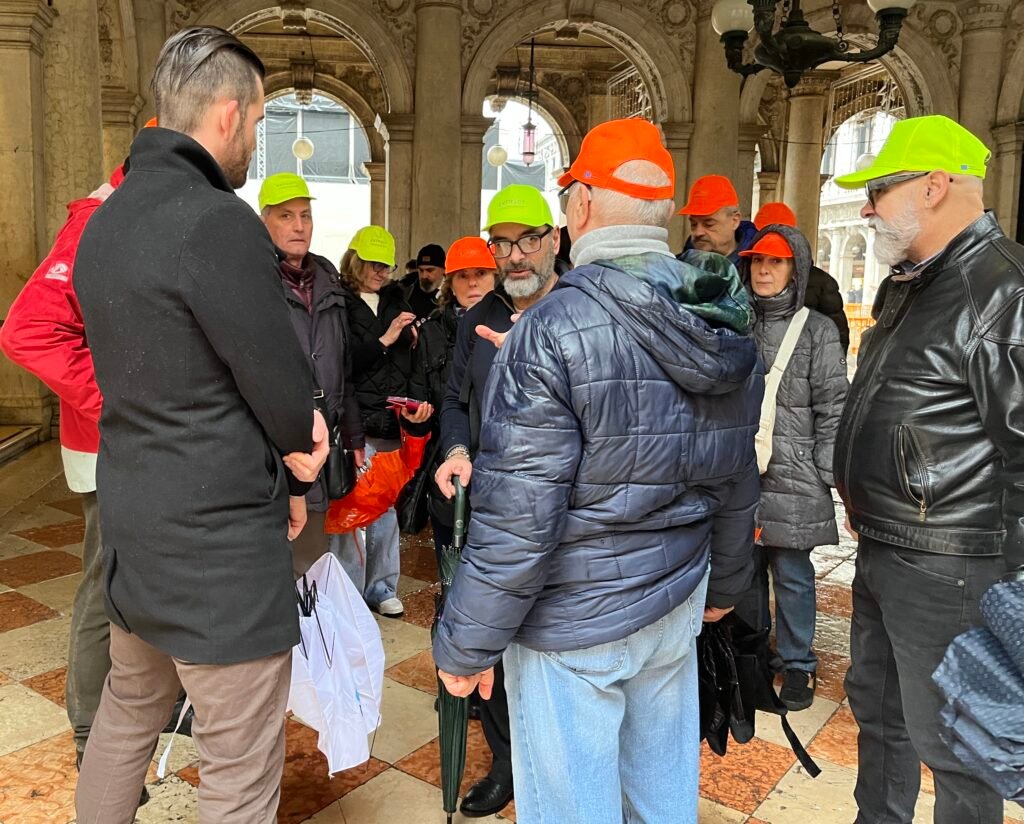
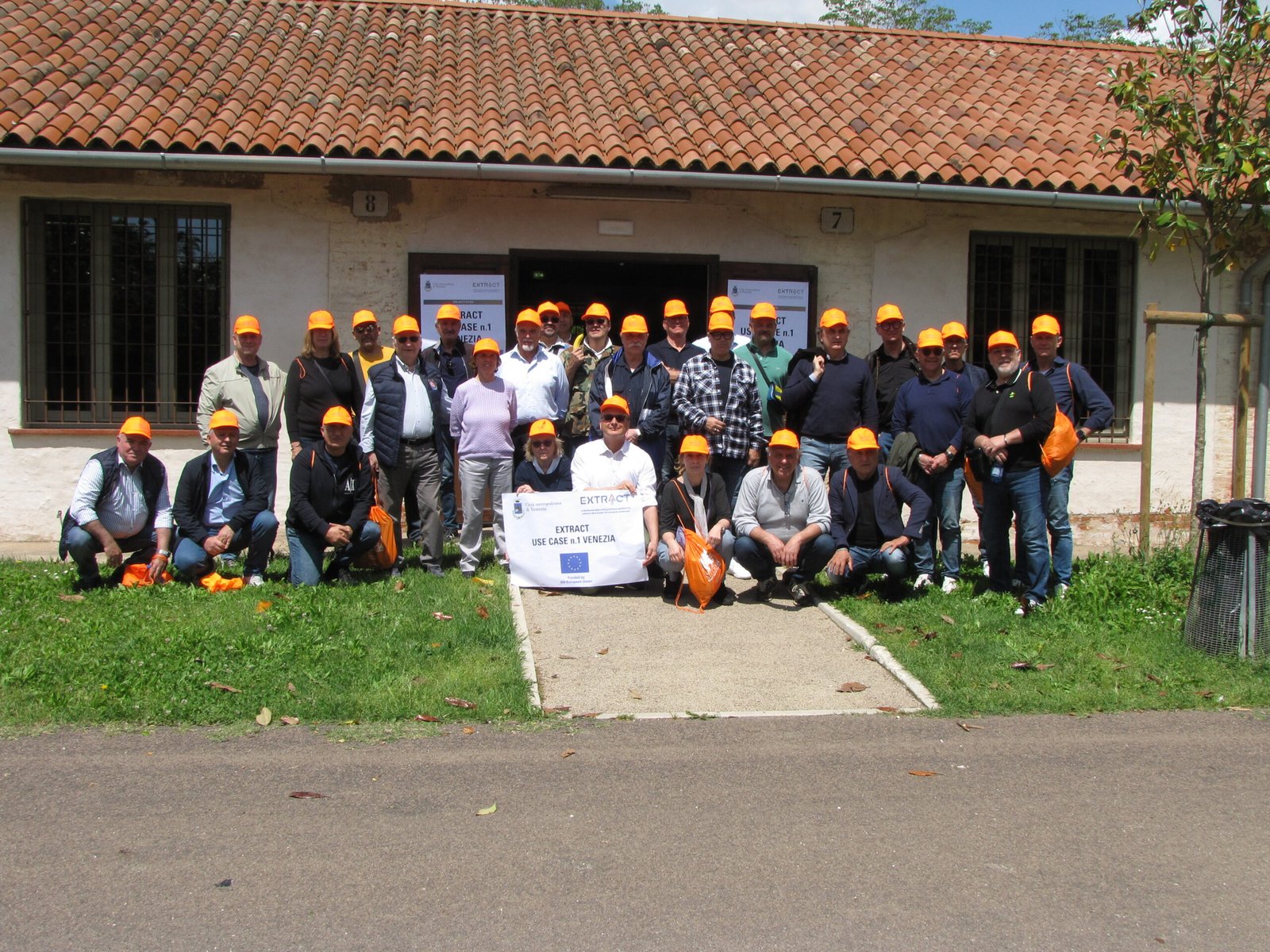
Figure 4: Some of the retired civil protection volunteers who helped to add an expert end-user perspective to the PER use case
Looking Ahead: What This Technology Could Mean for Venice
Looking to the future, Dr. Gavagnin identifies two main directions for applying the technologies developed by EXTRACT in Venice:
- Integration with municipal and regional civil protection systems to enhance response capacity during real emergencies
- Use of the personalised evacuation app as a preventive tool, supporting crisis response and helping manage tourist flows more sustainably
In a city that balances fragility with intense human activity, such tools can contribute to a more modern and participatory model of urban resilience.
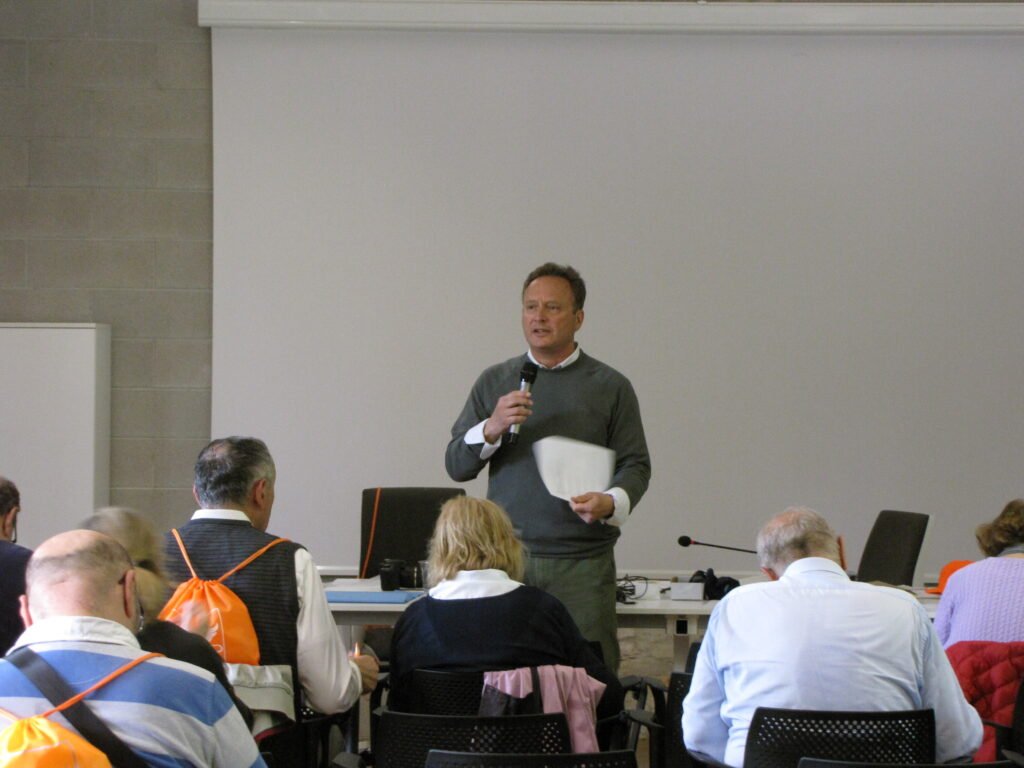
Figure 5: Dr Gavagnin explaining the goal of the PER use case and the role of retired civil protection volunteers in the validation
The Value of EU-Funded Collaboration
“EXTRACT demonstrates how EU‑funded projects can offer a concrete contribution to contemporary challenges,” says Dr. Gavagnin. He highlights that collaboration among institutions, research centres, companies, and local authorities makes it possible to test innovative solutions that would be difficult to develop in isolation.
In the case of Venice, this synergy allowed advanced technologies to be tested in a real, complex, and highly significant environment—offering insights that can benefit other European cities facing similar challenges.
Figure 6: Dr Gavagnin, project coordinator Dr Eduard Quiñones, and Emanuele Bellini from partner LOGOS, participate in the first PER validation from 3-4 October 2025